Restoring Proper Flow Through Clogged Lines
Drain Cleaning in Tuscaloosa for slow drains, recurring clogs, and sewer line blockages
West Alabama's clay soil and mature tree growth contribute to root intrusion in sewer lines, while grease buildup and debris accumulation cause recurring kitchen and commercial drain clogs. Drains slow gradually as material builds up inside the pipe, then stop completely once the restriction reaches critical mass. John Wayne Plumbing & Drain Services provides drain cleaning across Tuscaloosa for sinks, tubs, showers, floor drains, and main sewer lines serving residential, commercial, and industrial properties. The work addresses both immediate blockages and underlying conditions that cause drains to clog repeatedly.
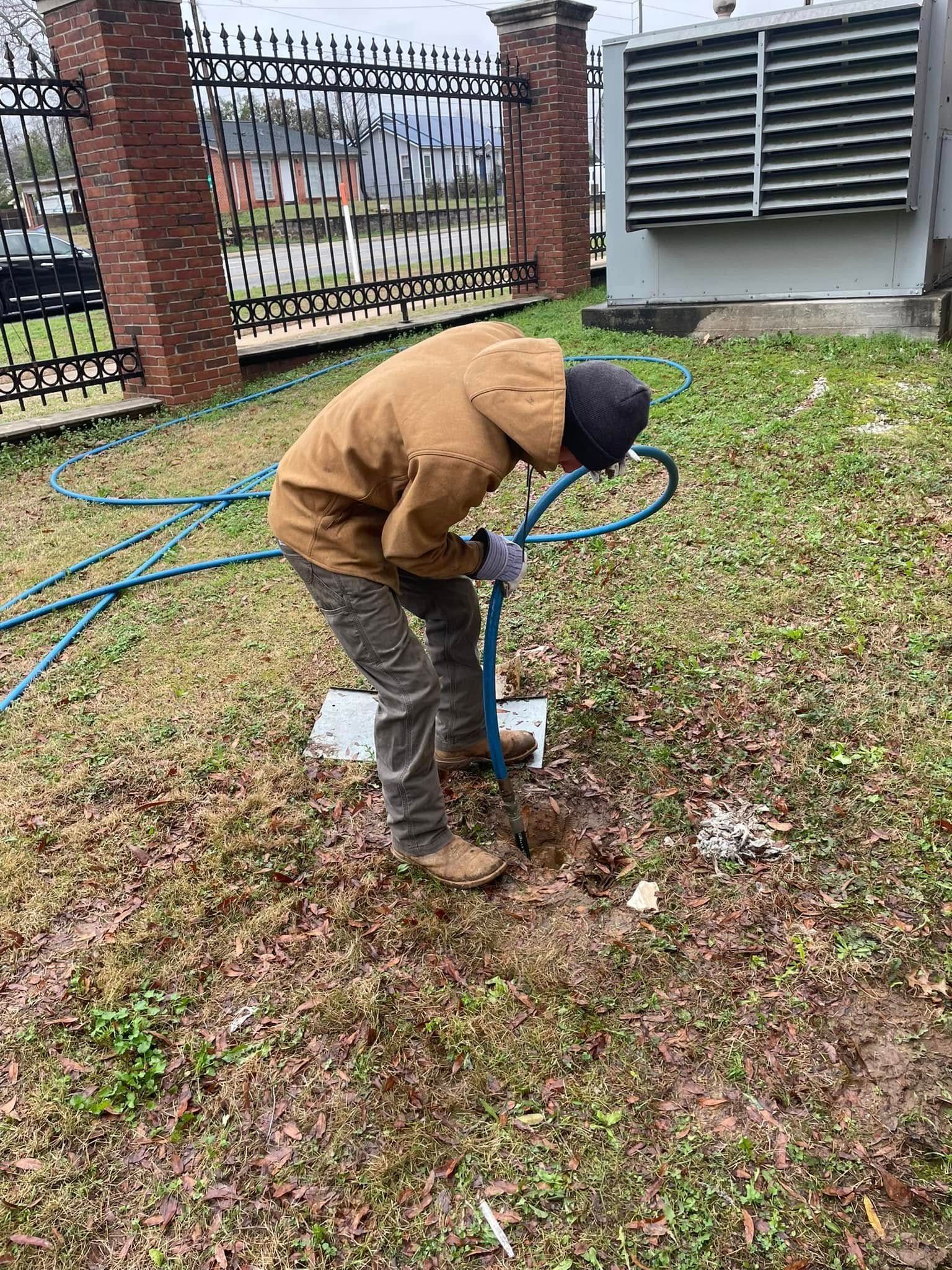
Professional drain cleaning removes the accumulated material causing the blockage—grease coating pipe walls, debris caught in drain traps, root masses penetrating sewer lines through joints, and mineral scale reducing pipe diameter over time. Methods vary based on blockage location, pipe material, and what's causing the restriction, ranging from mechanical augering to hydrojetting for severe buildup.
Schedule a drain inspection to identify blockage locations and determine what's causing recurring drainage problems.
What You Notice Once Drain Lines Are Cleared
Proper drain cleaning restores normal flow rates—sinks empty in seconds rather than minutes, tubs drain completely without standing water, and toilets flush fully on the first attempt without sluggish refill. The process involves clearing the obstruction, verifying flow through the entire line, and identifying whether the blockage resulted from user error, system design issues, or infrastructure problems like root intrusion or pipe bellying.
After service, drains function at full capacity without gurgling sounds, slow drainage, or backup into adjacent fixtures. Water flows smoothly through the system, and you no longer smell sewer gases that escape when partial blockages prevent proper drain venting. Multiple fixtures can drain simultaneously without affecting flow in other locations.
The service includes explaining what caused the clog and whether conditions exist that will likely cause repeat blockages. Grease accumulation requires changes in disposal habits, root intrusion may need ongoing maintenance or pipe repair, and old cast iron pipes with deteriorating interiors sometimes require replacement once cleaning no longer provides lasting results. Recommendations focus on preventing future clogs based on the specific cause identified during cleaning.
What Property Owners Usually Ask
Drain problems range from simple clogs to complex system failures, and understanding what's actually happening inside your drain lines helps determine the right approach and realistic expectations for results.
What causes drains to clog repeatedly even after cleaning?
Recurring clogs indicate either a partial obstruction that wasn't fully removed, an underlying pipe problem like bellying or root intrusion, or continued introduction of materials that shouldn't enter the drain. Grease, hair, and debris accumulate at existing restriction points, while roots grow back through joints and cracks in sewer lines.
How does professional drain cleaning differ from store-bought chemical cleaners?
Mechanical and hydrojetting methods physically remove blockage material rather than attempting to dissolve it, they clear the entire pipe diameter instead of boring a small hole through the clog, and they don't risk chemical damage to pipes or fixtures. Chemical cleaners often fail on grease clogs and root intrusions, and can create hazardous conditions if pipes are fully blocked.
Why do multiple fixtures drain slowly at the same time?
Simultaneous slow drainage across multiple fixtures indicates a blockage in the main drain line or sewer that serves all those fixtures. As upstream fixtures drain, water backs up at the restriction point and may bubble up through lower fixtures. Main line blockages require clearing the primary drain or sewer line, not individual fixture drains.
When does a drain problem require pipe replacement instead of cleaning?
Replacement becomes necessary when pipes are structurally compromised—severe root damage, collapsed sections, extensively corroded cast iron, or pipe bellying that prevents proper drainage slope. In Tuscaloosa's older neighborhoods, cast iron sewer lines installed decades ago sometimes reach the point where interior deterioration makes cleaning temporarily effective at best.
What's involved in preventative drain maintenance?
Scheduled cleaning removes accumulating grease, debris, and minor root intrusion before they cause complete blockages, and inspection identifies developing problems like early root penetration or pipe settling. Commercial kitchens benefit from quarterly maintenance, while most residential drains need attention annually or when slow drainage first appears.
John Wayne Plumbing & Drain Services clears drain blockages throughout Tuscaloosa and identifies the underlying causes that lead to recurring problems, providing both immediate relief and long-term drainage solutions. Arrange drain cleaning service when you first notice slow drainage, before complete blockages force emergency calls.