Hot Water Systems Built for Reliability
Water Heater Services in Tuscaloosa for inconsistent hot water, leaks, rising energy costs, and system failures
Water heaters that no longer deliver consistent hot water or that leak around connections indicate problems with internal components, sediment accumulation, or tank integrity. John Wayne Plumbing & Drain Services handles water heater repair, replacement, installation, and maintenance in Tuscaloosa for both traditional tank systems and tankless units. Addressing warning signs early prevents complete system failure during peak usage periods when hot water becomes essential.
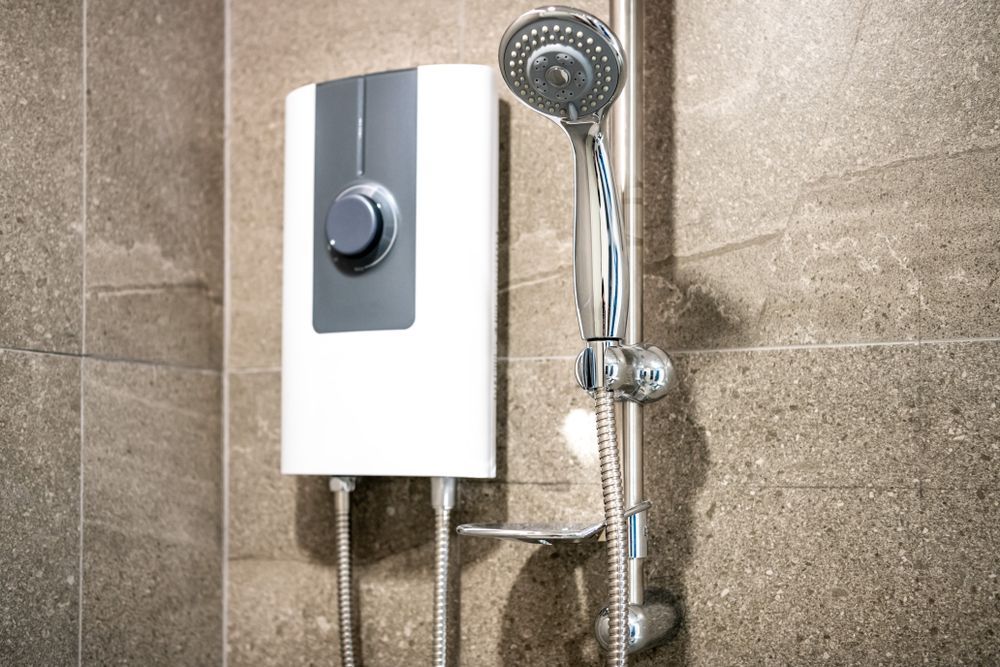
Traditional tank water heaters store and maintain heated water continuously, while tankless systems heat water on demand as it flows through the unit. Each type serves different usage patterns: tanks handle simultaneous high-volume demands like filling tubs while running dishwashers, while tankless systems provide endless hot water for sequential use without standby energy loss. Selecting the right system depends on household size, usage patterns, available space, and whether efficiency or capacity takes priority.
Request a water heater evaluation to determine whether repair or replacement makes sense for your current system.
How Water Heater Service Addresses Performance Issues
Water heater service begins with inspecting the unit for sediment buildup, testing heating element function, checking pressure relief valve operation, and evaluating venting or combustion systems. Sediment collects at tank bottoms in areas with hard water, insulating the heating element from water and forcing longer heating cycles that waste energy. Flushing removes accumulated material, restoring heat transfer efficiency and reducing operating costs.
After service or replacement, hot water reaches fixtures at consistent temperature without fluctuation, recovery time between heavy uses decreases, and energy bills reflect improved efficiency. Leaks around the tank base or pressure relief valve disappear once failing components are replaced, and proper venting ensures combustion gases exhaust safely rather than accumulating indoors.
Maintenance services include anode rod inspection, which prevents tank corrosion by sacrificing itself to chemical reactions that would otherwise attack steel. Replacing spent anode rods extends tank life by years, particularly in areas where water chemistry accelerates corrosion. Residential and commercial properties both benefit from scheduled maintenance that catches small issues before they require full system replacement.
Common Questions About This Service
Water heater decisions often raise questions about system types, repair versus replacement economics, and what performance changes to expect.
What warning signs indicate my water heater needs professional attention?
Inconsistent hot water temperature, water that never gets fully hot, rumbling or popping sounds during heating cycles, visible rust or moisture around the tank base, and sudden increases in utility bills all suggest declining system performance that benefits from inspection.
How do I decide between repairing my current water heater and replacing it entirely?
Age plays a significant role—tanks beyond ten years with major component failures often cost more to repair than their remaining useful life justifies, while newer units with isolated issues like failed thermostats or heating elements typically benefit from targeted repair.
Why would a tankless water heater make sense for my property in Tuscaloosa?
Tankless systems suit properties with limited space, households that use hot water sequentially rather than simultaneously, and situations where eliminating standby heat loss matters more than handling simultaneous multi-fixture demands like filling a soaking tub while running laundry.
What actually happens during water heater maintenance service?
Technicians drain and flush sediment from the tank, test pressure relief valve function, inspect anode rod condition and replace if depleted, check all connections for leaks, verify proper venting and combustion, and adjust temperature settings to safe, efficient levels.
How does sediment buildup affect energy costs and system lifespan?
Sediment layers insulate heating elements from water, forcing them to run longer to achieve set temperature, which increases energy consumption while simultaneously trapping moisture against the tank floor and accelerating corrosion that leads to leaks.
John Wayne Plumbing & Drain Services helps residential and commercial customers select and install water heating systems that match their usage requirements and efficiency goals. Schedule a water heater consultation to review options for your property.